Friday, November 25, 2011

Case History Collection

Salam Brothers & Sisters


DOWNLOAD 
Case History Collection
in various subjects

Leia Mais…

Saturday, June 4, 2011

Books For All [Part 4]

Salam Brothers & Sisters

I have updated some important books recommended for your study:


Recommended for 5th Year Medics :

1. Paediatric
  • Illustrated Textbook of Paediatrics (Lissauer 'Sunflower')
  • Paediatric Protocol For Malaysian Hospital (compulsory!)
  • Nelson Textbook of Paediatric (optional)
2. Gynaecology
  • Gynaecology by Ten Teachers
  • Lecture note series on Gynaecology (here!)
NB! For Obstetrics books please refer 4th Year recommended books.

3. Emergency Medicine
  • Sarawak Handbook of Medical Emergencies
  • Guide to the Essential in Emergency Medicine
4. Orthopaedics
  • Essential Orthopaedics (Maheshwari)
  • Apley's Concise System of Orthopaedic & Fracture
5. Clinical Skills, Case Studies, Guidelines
  • Clinical Examination Talley & O'connor
  • 250 Cases in Clinical Medicine (Baliga)
  • X'press Revision in Short Cases (University Malaya)
  • BNF 61
  • Learning Radiology
6. Surgery (also recommended in 4th Year medics)
  • Essential of Surgery (Burkitt)
  • Browse's Introduction to the Symptoms and Signs in Surgical Diseases
  • Oxford Handbook of Surgery

Leia Mais…

Monday, May 30, 2011

Tak Perlu Ke Kamal, Tempah Disini!

Salam warahmatullah Brothers & Sisters.


"Anda kini boleh menempah terus pembelian buku-buku di Kamal Bookstore menerusi blog ini!

Terutama bagi mereka yang menetap jauh & mengalami kesukaran ke Kamal Bookstore KL.

Tempah dan Pembayaran menerusi bank-in

Dan dapatkan buku tempahan anda di Volgograd seawal permulaan semester depan.


*Terhad kepada pelajar di Volgograd sahaja.


Sekiranya anda ingin menempah, sila maklumkan kepada saya di emel : arzain88@yahoo.com

Leia Mais…

Sunday, March 20, 2011

BRAND NEW! LITTMANN STETHOSCOPES

Salam Brothers & Sisters

A trusted leader in innovative auscultation technology, Littmann stethoscopes are renowned worldwide for unsurpassed quality. The Littmannn brand name is your assurance of precision, acoustical superiority, innovative design and exceptional performance.

Click on your choice!

LITTMANN LIGHTWEIGHT II SE

RM160

LITTMANN CLASSIC II SE

RM250

LITTMANN CLASSIC II SE (WITH LASER ENGRAVING)

RM290


For details do contact me:

arzain88@yahoo.com


tawakkal alallah

Leia Mais…

Monday, February 21, 2011

Academic Downloads : Dermatology

Salam Brothers & Sisters


Lecture series on DERMATOLOGY are now available.

Download HERE


"Ask for more academic downloads
at the right-column of this blog"


Tawakkal alallah

Leia Mais…

Friday, November 26, 2010

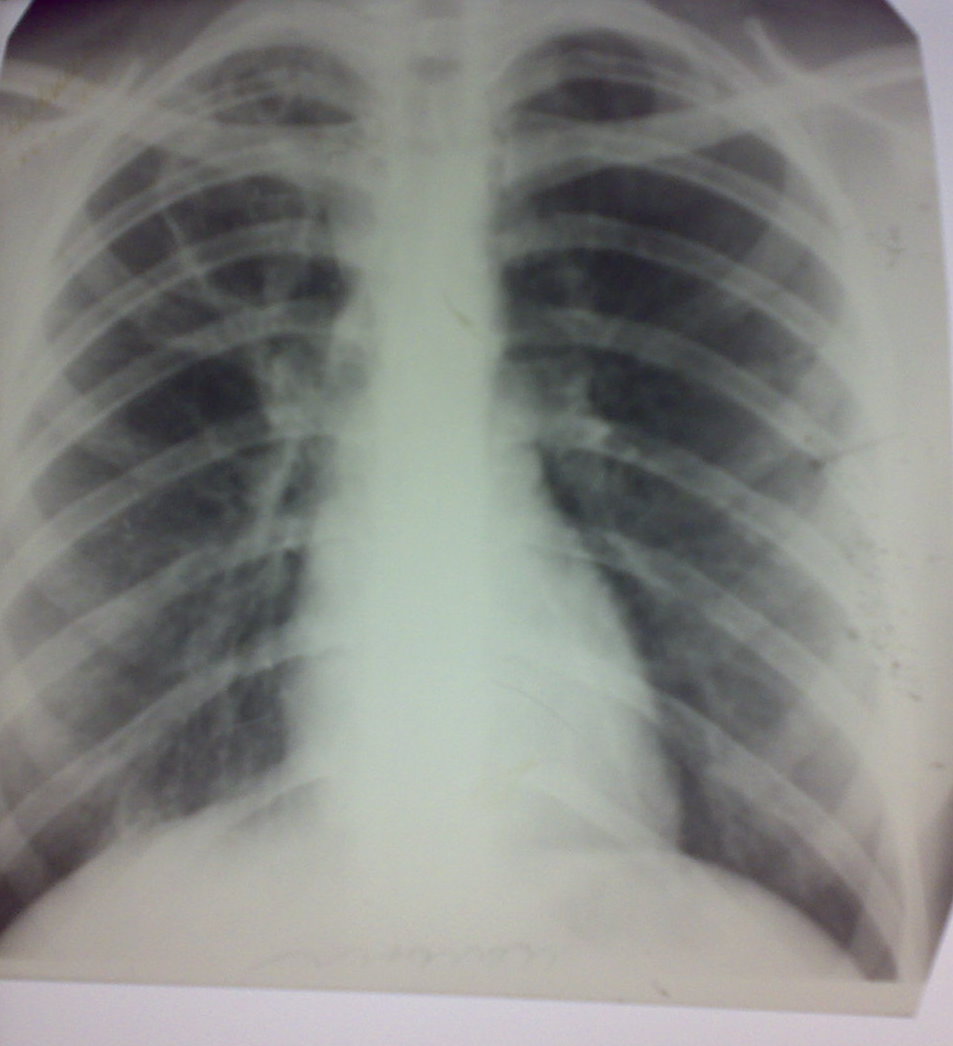
X-ray images Tuberculosis (TB)


Salam Brothers & Sisters

Below are some of my X-ray collections for TB.

Infiltrative TB
(with zone of perifocal inflammation)


Tumour-like TB


Acute Disseminated TB
(Miliary TB)


Subacute Disseminated TB


Cavernous TB
(clear border of caverna without perifocal inflammation)


Fibrocavernous TB

Cirrhotic TB

Destructive TB
(absent upper lobe of R-L - lung tissue has been expectorated with sputum)


And at last...


Our TB lecturer


Tawakkal alallah

Leia Mais…

Friday, October 29, 2010

PRACTICALS


DETAILS REGARDING AMBULANCE PRACTICALS (YEAR 5)
CAN BE DOWNLOADED HERE


Leia Mais…

Saturday, September 18, 2010

Sunday Seminar (SS)


Salam Brothers & Sisters


SUNDAY SEMINAR

CLERKING AN O&G CASE

DATE : 19 SEPTEMBER 2010 (SUNDAY)

VENUE : FLOOR 6 1/2

TIME : 10 AM

Leia Mais…

Thursday, September 16, 2010

Academic Downloads

Salam Brothers & Sisters

1. You may download practical class notes and lecture materials from my blog.

2. I will (inshaAllah) update and add more subjects soon.

3. You may find the option for downloading at the right bar named 'Academics'

4. For materials from Malaysia medical syllabuses - You may seek me personally or contact me via email at arzain88@yahoo.com


That's all. Tawakkal 'alallah.

Leia Mais…

Monday, July 5, 2010

Tidak Perlu ke Kamal, Tempah Disini!

Salam warahmatullah Brothers & Sisters.


"Anda kini boleh menempah terus pembelian buku-buku di Kamal Bookstore menerusi blog ini!

Terutama bagi mereka yang menetap jauh & mengalami kesukaran ke Kamal Bookstore KL.

Anda boleh menempah dan bayaran boleh dibuat selepas menerima buku tersebut di Rusia."

*Terhad kepada pelajar di Volgograd sahaja.


Sekiranya anda ingin menempah, sila maklumkan kepada saya di emel : arzain88@yahoo.com


Semoga dipermudahkanNya urusan.


Leia Mais…

Tuesday, June 29, 2010

Books For All [Part 3]

Recommended books for Year 4 Medics :


OPTHALMOLOGY

1. Lecture notes series on Opthalmology
2. Comprehensive Opthalmology ( by A.K. Khurana )*

OBSTETRICS

1. Text Book of Obstetrics ( by D.C Dutta )
2. Obstetrics (by Ten Teachers )
3. Lecture notes series on Obstetrics

PAEDIATRICS

1. Nelson Text Book of Paediatrics (Optional)
2. Paediatrics Protocol for Malaysian Hospitals ( Do not buy at Kamal Bookstore or photocopy, buy at Jalan Raja Muda Abdul Aziz the cancer society, cheaper by 50%. Contact me for info)
3. Paediatric (Lissaeur 'Sunflower')

EAR, NOSE AND THROAT (ENT)

1. Lecture notes series on ENT
2. Diseases of ENT (by Dhingra)

INTERNAL MEDICINE

1. Lecture notes series on IM
2. Oxford Handbook of Clinical Medicine (OHCM)
3. Sarawak Handbook of Medical Emergencies (SHME)
4. Clinical Medicine (by Kumar & Clark) - better to have this book by your own eventhough lecture notes are taken from this book, but not too comprehensive.

SURGICAL DISEASES

1. Essential of Surgery (Burkitt)
2. Browse's Introduction to the Symptoms and Signs in Surgical Diseases
3. Oxford Handbook of Surgery.


It's not compulsory to buy all-listed books!
You may pick one of each subjects
or share with your friends

Any inquiry do contact me:
arzain88@yahoo.com

Leia Mais…

Wednesday, June 23, 2010

Neurology : Brown-Sequard Syndrome


This really brings me back to my best memory 3 years ago. Maybe Dr.Irina is now not with us, but we are having a lot of Neurologists, and hopefully they are able to treat our 'multiple lesions' that we suffered a few days ago....

Leia Mais…

Saturday, June 19, 2010

International, please?

Alhamdulillah, I already passed my medicine exam today and I feel so 'free' to study for my next postings exam in Neurology and O&G. Today's morning as usual with exam syndrome - NV!

I can't hold nausea & vomiting till they come to their optimum attack of severe tremor and only after that with post-exam syndrome - Sleeping headache. Huhu~

Today, I learnt something new in medicine - its exam was just like clerking a patient! It was too horrible indeed to have face-to-face conversation with Dr.Shumina (not very sure her name), and she is well-known Hepatologist.

Every questions that stated on my exam ticket, never miss to be followed by her questions : 'What is international standard? What is international classification? Dan paling tak tahan: Do you know, in Malaysia they usually use....."

Yes, this is what I know about medicine. Improvement makes better to gain better knowledges. Not just to sit in the class, borrow friend's notes, then answers, and that's all.


p/s : Almost complete to download all CPGs! Thanks to MOH =)

Leia Mais…

It's High Time Malaysian Doctors Ditch Neckties

The MMA made the call a few years back and then the DG was quoted to say:

…the policy of requiring doctors to wear their white coats, shirts and neckties would not change unless there was a “body of evidence” which proved that neckties caused infections to spread. It is a long established policy that we have had since Merdeka. Doctors must maintain their dignity and dress properly,” he said.

A study by Jimbo et al shows that there is indeed a High prevalence of methicillin-resistant Staphylococcus aureus (MRSA) on Malaysian doctors’ neckties.

We discovered that more than half (52%) of neckties worn by doctors were contaminated with Staphylococcus and out of these, 62% of them were identified as MRSA. In contrast, none of the student’s ties were contaminated with MRSA. Due to the high prevalence of staphylococcus detected on doctors’ neckties, we recommend that health care workers do not wear neckties.

So DG and MOH – perhaps the “dress code” for doctors should change now that there is local evidence?


This entry was taken from here. Just for Sharing. Selamat membaca! =)

Leia Mais…

Friday, June 11, 2010

Just For Sharing : Classification of Peritonitis

Syllabus Year 4 Phase 2 (Surgical Diseases)


CLASSIFICATION OF PERITONITIS

1. TYPES:

i - PRIMARY
(Causes are outside the abdominal cavity, mainly refer to haematogenic and lymphogenic. Primary is usually in children)

ii - SECONDARY
(This is the most common type. Causes are inside abdominal cavity, mainly due to intestinal bacteria invasion from digestive tract or biliary tract in case of inflammation & rupture of internal organs.

2. ETIOLOGY:

i - BACTERIAL PERITONITIS

(a) Specific - Intestinal sticks ( 65%) causes bacterial type. Most reason is acute appendicitis & acute cholecystitis which cause Secondary bacterial peritonitis.

(b) Unspecific - cause by microbes with no relation to GIT (eg. TB)

ii - ASEPTIC PERITONITIS
(Usually cause by pancreatonecrosis. The blood, bile, urine presence in the abdominal cavity and after several hours, aseptic contents become infected due to the microbial invasion from GIT. Need to treat a.s.a.p.

3. CURRENT PERITONITIS

i - ACUTE (most common in complication of the abdominal cavity)

ii - SUBACUTE (usually cause by TB)

iii - CHRONIC

4. SEVERITY

i - MODERATE (peritonitis alone without any disorder of other organ)

ii - SEVERE (peritonitis with involvement of 1 organ like liver or lung)

iii - VERY SEVERE (peritonitis with involvement of more than 1 organs)

5. INVOLVEMENT OF PERITONEUM IN INFLAMMATION (by FEDOROV)

i - LOCAL : This is involvement of only 1 region of peritoneum. It can be:

(a) Incapsulated - inflammation of 1 region of peritoneum without restriction

(b) Encapsulated - inflammation of 1 region of peritoneum with restriction like fibrin formation and intraperitoneal adhesions

ii - DISSEMINATED : This is involvement of >1 region of peritoneum. It can be:

(a) Diffuse - inflammation of 2-5 regions of peritoneum

(b) Generalized - inflammation of >5 regions of peritoneum

NB! There are all 9 regions of peritoneum!! Please revise how to draw them all!


6. PARAMETERS OF EXUDATES

i - SEROUS PERITONITIS (initial stage of peritonitis. The exudate is transparent)

ii - HAEMORRHAGIC (Only cause by 2 reasons: Pancreatonecrosis & AIO)

iii - SEROUS-FIBRINOUS (fluid with fibrin)

iv - PURULENT (fluid with pus)

Other forms also possible : Fecal, bile and etc.

7. TIME OF ONSET:

i - INITIAL GRADE ( within 24h)

ii - TOXIC GRADE (24 - 72h)

iii - TERMINAL GRADE (>72h)

_____________________________________________________________

ADDITIONAL RANDOM KNOWLEDGES, THAT YOU MUST KNOW:


What is the peculiarities of URGENT HERNIOPLASTY
(like in strangulated hernia)?

We must not cut the hernial ring, but need to open the hernial sac, fix and check the content!


What is the peculiarities of HERNIOPLASTY by LEINSTEIN?

Use the POLYPROPYLENE mash and must not apply any TENSION


That's all. Good luck. Tawakkal alaAllah.


'Let us forget about exam, but focus on study'

Leia Mais…

Thursday, June 10, 2010

Just For Sharing : McBurney's Incision for Appendicectomy

*Sorry this picture's quality is not so good =(

HOW TO DRAW THE INCISION?

1. Draw a single line from UMBILICUS to the RIGHT ANT.SUP. ILIAC SPINE

2. Divide this line (blue in colour) into 3 parts equally.

3. Then, at the point of INFERIOR 1/3 of this line, draw a single line (red in colour) perpendicularly to the blue line.

4. This red line is the McBurney incision line for Appendicectomy.

5. The length of this incision line MUST be 1/3 superior and 2/3 inferior to the blue line that you drew.

6. One more important thing is, this incision line should be PARALLEL to the INGUINAL LIGAMENT!


That's all. Good luck! Tawakkal alaAllah. =)

Leia Mais…

Just For Sharing : Classification of Acute Intestinal Obstruction

Syllibus Year 4 Phase II (Surgical Diseases)


CLASSIFICATION OF ACUTE INTESTINAL OBSTRUCTION (AIO)

1. STAGES :

I - Impairment of passage
II - Disturbance of microcirculation
III - Peritonitis & necrosis

2. ORIGIN:

I - Congenital (eg: Complete atresia of SI, LI, anus & sclerosis)
II - Acquired (eg: Malignant tumour, trauma, bile stones ileus)

3. MECHANISM:
i. Mechanical

a) Obturation
(eg: Tumour, Foreign body, Gall stone)

b) Strangulation
(eg: Irreducible strangulated hernia, volvulus 0r mesentery twist)

Characteristic: Formation of knots or coils of SI loops with each others.

c) Mix
(eg: Invagination, adhesion)
Characteristic: Invagination (proximal part comes to distal part). This invagination is called as intersusception. Usually in children.

In adult, there are usually adhesion.
Causes of adhesion: Trauma of peritoneum, peritonitis, post-op.
Eg. of post-op that causes adhesion:

- Appendicectomy (adhesion at Right Iliac Region)
- Splenectomy (adhesion of Left Hypochondrium)

ii. Dynamic

a) Spastic (eg: Spinal cord trauma, poisonings)

b) Paralytic

(This is typical AIO. Causes: Complication of urgent abdominal diseases, eg: Peritonitis, Pancreatitis, etc.)


4. LEVEL OF OBSTRUCTION

i. High (SI)
ii. Lower (LI)
5. CLINICAL STATES OF PATIENT

i. Acute (eg: adhesion, strangulation)
ii. Chronic (eg: tumour)

6. CONDITION OF INTESTINES

i. Complete obstruction
ii. Partial obstruction
_____________________________________________________________

CONCLUSIONS:

1. There are 3 types of mechanical AIO:

I - Acute Mechanical Obturation IO
II - Acute Mechanical Strangulation IO
III - Acute Mechanical Mix IO

2. There are 2 types of dynamic AIO:

I - Acute Dynamic Spastic IO
II - Acute Dynamic Paralytic IO (typical)

NB!

STRANGULATION - Needs IMMEDIATE SURGERY!
OBTURATION - You have 4 HOURS to OPERATE!


That's all. Good luck. Tawakkal alaAllah =)

Leia Mais…

Wednesday, June 9, 2010

Medical CASE 1

A 45-year-old woman presents to the emergency department with bleeding gums and bruises on both forearms for the last 2 days. For the preceding 10 days she had been experiencing a high fever (which has since broken) and rigors. In addition, she complains of a rash over both forearms, but she is unable to further characterize it. She noted severe pain in both legs during the febrile portion of her illness. There was no history of hematuria, melena, cough, or hemoptysis. She is not taking any routine prescription medications or using over-the-counter products or supplements. She has no known drug allergies. She is married with 5 children and is currently unemployed. She does not smoke or drink alcohol and has no history of drug abuse. There is no travel history or any history of sick contacts. She is a resident of Pakistan.

On physical examination, she is alert and apparently well developed and well nourished. The patient has a regular pulse of 90 bpm and a respiratory rate of 14 breaths/min. Her temperature is 98.2° F (36.8° C) and blood pressure is 110/70 mm Hg. The cardiac examination reveals a normal S1 and S2, with no murmur, gallop, or rub. Auscultation of the lungs is normal, and no palpable organomegaly or tenderness is found on abdominal examination. Examination of the extremities reveals large bruises and a petechial rash across both forearms and lower extremities (Figure 1; the image shown is an example of the rash seen). Conjunctival hemorrhages are noted bilaterally. Bruises are also apparent on her soft palate, and minor trauma from oral examination results in gingival hemorrhage.

The laboratory investigation reveals a hemoglobin of 8 g/dL (80 g/L), platelet count of 11 × 103/µL (11 × 109/L), and a white blood cell count of 1.8 × 10³/µL (1.8 × 10⁹/L). Her serum blood urea nitrogen, creatinine, liver function tests, albumin, and electrolytes are normal. Coagulation studies, including a prothrombin time, activated partial thromboplastin time, fibrin degradation products, and serum fibrinogen, are normal. Blood cultures do not show any growth. Urine analysis and urine culture result negative. Posteroanterior and lateral chest radiographs, as well as abdominal ultrasonography, are unrevealing.


Based on the clinical presentation and physical examination, which of the following is the most likely diagnosis?

Hint: Bruises, conjunctival hemorrhages, and depressed cell lines in a postfebrile patient with a rash.
Leptospirosis
Meningococcemia
Plasmodium falciparum malaria
Typhoid fever
Dengue hemorrhagic fever

Leia Mais…

Saturday, May 22, 2010

Books For All! [Part 2]

Salam Brothers & Sisters.


This post is specially regarded to future 3rd and 4th course medics (especially to all my brothers ikhwah in Volgograd State Medical University..hehehe).

Anyway, 3rd course medic is the last preclinical years, and it is actually semi-clinical. Students have to set up your mind, to make your vision of studying more in clinical environment and conveniently.

Remember! Clinical medics are somehow differ from your previous preclinical 'kindergarten'. You have to struggle more on understanding than just memorizing the facts, and you need to know deep down all the basics. It isn't too difficult, we will always help you and be by your side. As for me, the very first step is that you need to know how the environment (bi'ah) can help you to proceed more further.

Recommended books for 3rd course medics:

1. PHARMACOLOGY Lippincott's Illustrated Review


'Same as Biochemistry, this kind of book makes our focus on Pharmacology more comfortable because of its illustrated reviews. Nevertheless, it isn't too details in explanation. The more comprehensive and topmost Pharmacology book of all centuries is below....'


2. PHARMACOLOGY by Kharkevitch


'This book as for me, is an award-winning for Pharmacology aspect. It is so comprehensive, the details are very easy to understand. But, you must have your time to catch up with them, of course. You may borrow this new book from the library. Or just buy it for your future basic knowledge. I miss this book a lot...hehehe'


3. OXFORD HANDBOOK OF CLINICAL MEDICINE 8th Edition

'This is the latest OHCM. But don't worry if you couldn't find it at Kamal Bookstore, the former 7th edition is still in high validity as though. I would like to recommend this book as early as you are in 3rd course, because you need to 'mix' the content with your mind chronically. By the end of 3rd year, you will partially understand it, and during your 4th course you will fully get it! Make it as your favourite one'


4. PATHOLOGY by HARSH MOHAN

'This is the thickest book of mine! This pathology book has a lot of pictures and explanations. It can be used to cover up your study in both Pathological Anatomy and Pathological Physiology during your 3rd course. Roughly, this book brings you to think and develop your ideas of medical-oriented knowledges. If you don't wish to buy it (because it is so thick and heavy), you may consider to get it from your seniors. They will surely let you have one! insyaAllah.'

*This is not the real picture


Other books you may find and borrow from the library. For Therapy and Surgery, you will just need the textbooks from our university plus with lecture's notes as well. Do attend the lectures!

That is all so far. For future 4th course medics, I am still updating your recommended books. Tawakkal 'alaAllah

Leia Mais…

Thursday, May 20, 2010

Books For All! [Part 1]

Salam Brothers & Sisters.

These are some sorts of books that you are highly recommended to have by your own. They can be bought anywhere (even via Amazon.com) but mostly available at Kamal Bookstore Kuala Lumpur, and the prices there also much more cheaper.


Books for 2nd course medic:

1. ATLAS OF HISTOLOGY with Functional Correlation XI Edition


"This is the latest Atlas of Histology by Victor P. Erochenko. Excellence informations, with histologic pictures"


2. ATLAS OF HUMAN ANATOMY by FRANK NETTER IV EDITION


"Atlas of Human Anatomy is a very basic book that a medical student must have one! This Netter atlas will help you not just to know the basis of medic, but through your journey in the medical field forever in your life"


3. MEDICAL PHYSIOLOGY by JAYPEE


"Simple, understandable and comprehensive"


NB! This is not the latest edition! This is the old picture.


4. BIOCHEMISTRY Lippincott's Ilustrated Reviews


"This book much more simple because of its illustration. You will learn biochem with 'arts'! But as for me, the main book still the one that you must borrow from the library"


My next post will be regarded to 3rd course and 4th course medics. That is all, so far. Tawakkal 'alaAllah.


Leia Mais…